It’s that time of year again. Commercial breaks are filled with bright-colored backpacks and smiling children and actors portraying calm, confident teachers with not a hair out of place. Department stores put up giant signs shaped like pencils and everywhere you look, it’s SALE SALE SALE! It’s Back-to-School time.
But, the thing is, it’s NOT actually time to go back to school yet. It’s still a few weeks away, a few precious weeks for those educators who need every second of their well-deserved breaks. I see posts from teacher friends on Facebook, and I remember what it was like to have my summer cut short by insensitive advertising and early reminders.
Teacher 1– “Stop with all the Back-to-School stuff! It’s not even August yet!”
Teacher 2– “I can’t turn on the TV or leave the house without being reminded that summer is almost over. If you need me, I’ll be sitting at home in the dark eating chocolate.”
Teacher 3– “If I hear one more person say, ‘School is almost here!’ I’m going to snap.”
Poor teachers.
Hiding in your house eating chocolate will only save you for so long. Eventually, you have to accept that it is almost Back-to-School time. Since it’s unavoidable, you might as well get excited about it. Here are some things to look forward to.
11 Reasons for Teachers to Get Excited About Back-to-School
1. School Supplies
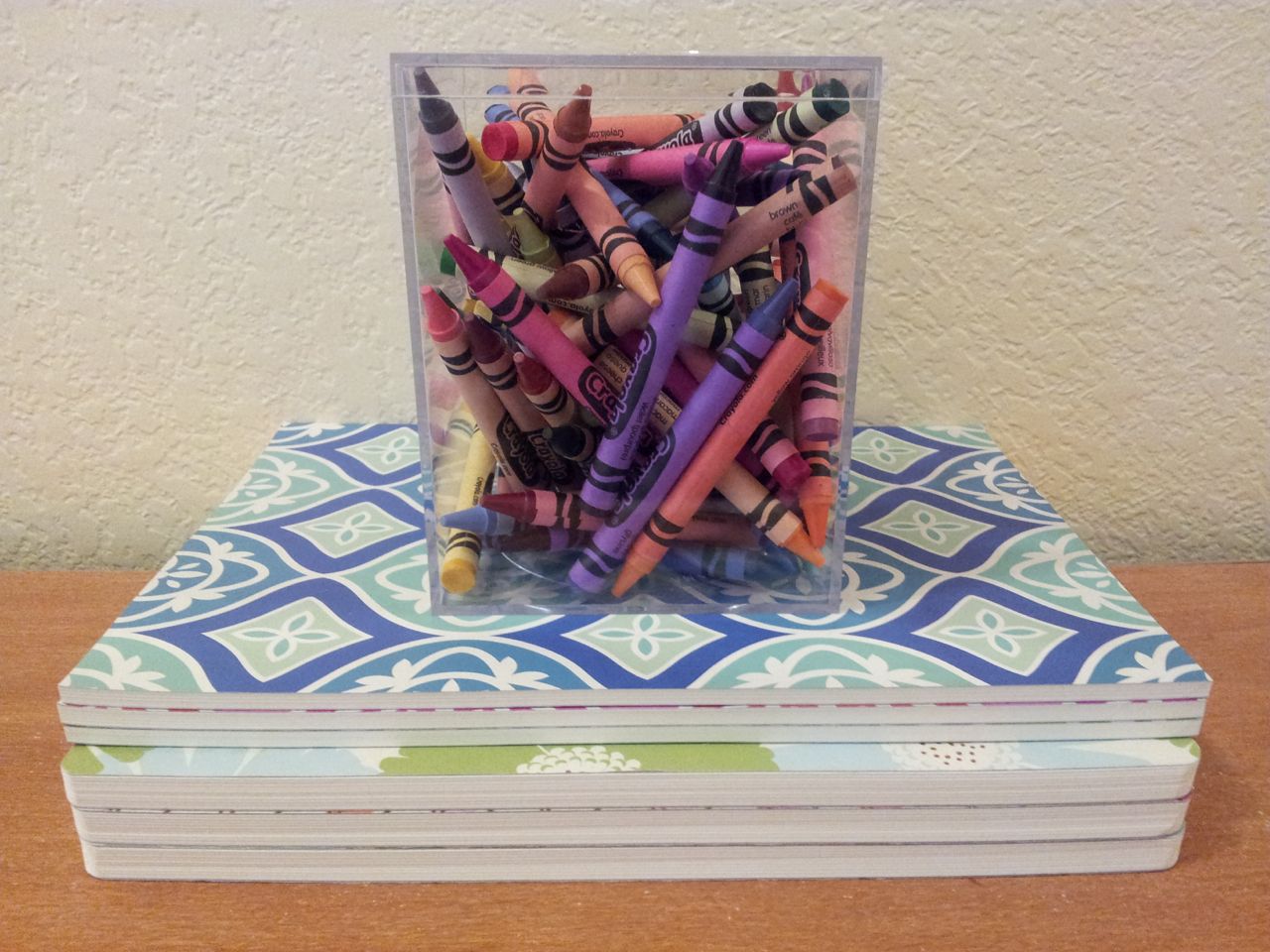
While the commercials for school supplies may be unsettling, the actual shopping for school supplies is kind of awesome. It was one of my favorite things about being a teacher. When asked why they teach, other people tend to cite things like: an affection for children, a desire to make the world a better place, and an interest in their subject matter. I quickly realized that “the smell of fresh composition books and a love of sharpening pencils” was not an appropriate answer.
2. Free AC
August in Texas means 100-degree temperatures, and 100-degree temperatures mean high electricity bills. Instead of paying for your comfort out of your own pocket, set your home AC to 80 and bask in the freezing cold temperatures of your classroom instead.
3. Get Away From Your Kids
I’m not a parent myself, but I assume that, no matter how much you love your offspring, two months straight with them is too much. I think I’m right, because there’s a lot less complaining about Back-to-School stuff from my teacher friends who have children. Look forward to those hours of kid-free inservice meetings and staff development seminars. Think of it as “me time.”
4. Once Again Be Among the Day People
If you don’t have kids, there’s a good chance you’ve become somewhat vampire-like as the summer weeks have passed. Going back to school is your chance to blink into the sunlight, see what’s changed in the world, be among the day people again. (That first morning, though, might be a little rough.)
5. Annual Strangest Name Competition
Yes, those last few inservice days before school starts can be stressful, but then there’s the moment when you get your class rosters and everything stops while you scan the lists and compare names. I always enjoyed looking for siblings of kids I’d taught and any celebrity impersonators. (I’ve taught Will Smith and Rachel Green.) But the most fun is competing with fellow teachers for the most unusual student names. Unfortunately, I can’t claim to be the winner here. A friend of mine once taught twin girls who both had the exact same name. True story.
6. Endless Possibilities
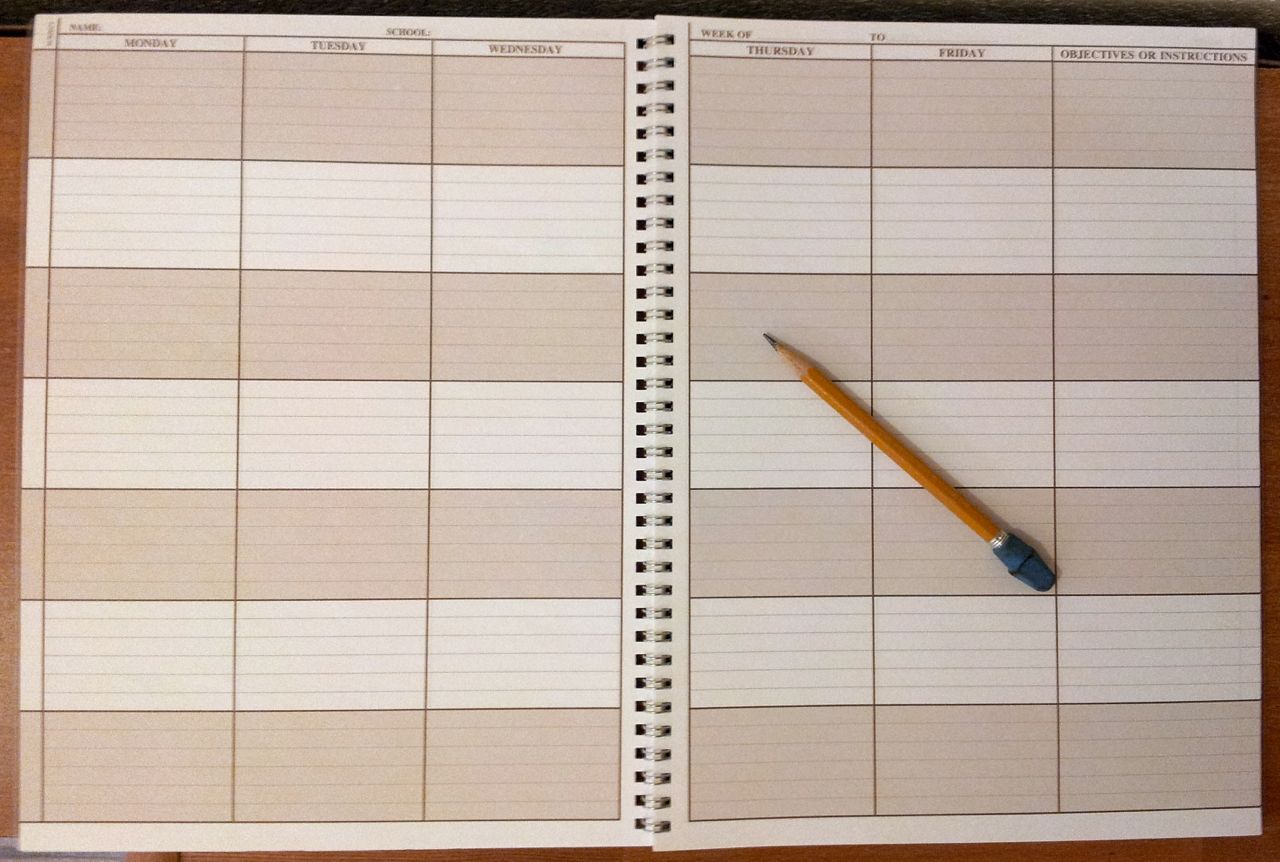
You have a brand new, unopened planner. The dry erase boards are clean. No one has been late to your class yet or forgotten to turn in an assignment. Maybe this year you won’t get behind. Maybe this year you’ll finally figure out how to grade everything and still have a life. Maybe this year there will be no ill-timed fire drills, few parent conferences, and free donuts every single Friday. Maybe, just maybe. Until it begins, the possibilities are endless.
7. The Old “Naked at School” Dream
With the start of school, you can also look forward to the school-related nightmares. Maybe the “I’m changing clothes in my classroom and I forgot to lock the door” classic or the “How have I taught all day without realizing I forgot my pants?” variation. Or perhaps you prefer the “I’m back in high school and can’t find the classroom for my final” or the “I just realized I never actually graduated college” options. It doesn’t matter what you choose—they’re all good. Just remember, the best part is waking up.
8. First Day of School
I always loved the first day of school. First days are full of excitement and enthusiasm and usually at least one poor lost soul whose day you get to brighten just by knowing where room 1132 is. It may be hard to look forward to the 100th day of school or the 43rd or even sometimes the 2nd, but you should always look forward to the first. Read about some of my favorite first day traditions here.
9. Fresh Start
Part of the beauty of the first day is the fact that it exists at all. Teaching is one of the few jobs I know that has a clear beginning and a clear ending and a little (sometimes not enough) breathing room in between. The fact that you get that fresh start is a blessing. No matter how hard the year is, no matter how difficult the students (or the parents) are, no matter how far behind you get in your curriculum, the last day of school will eventually come, and two months later you’ll get the chance to start all over again. Be grateful for that.
10. School Pictures
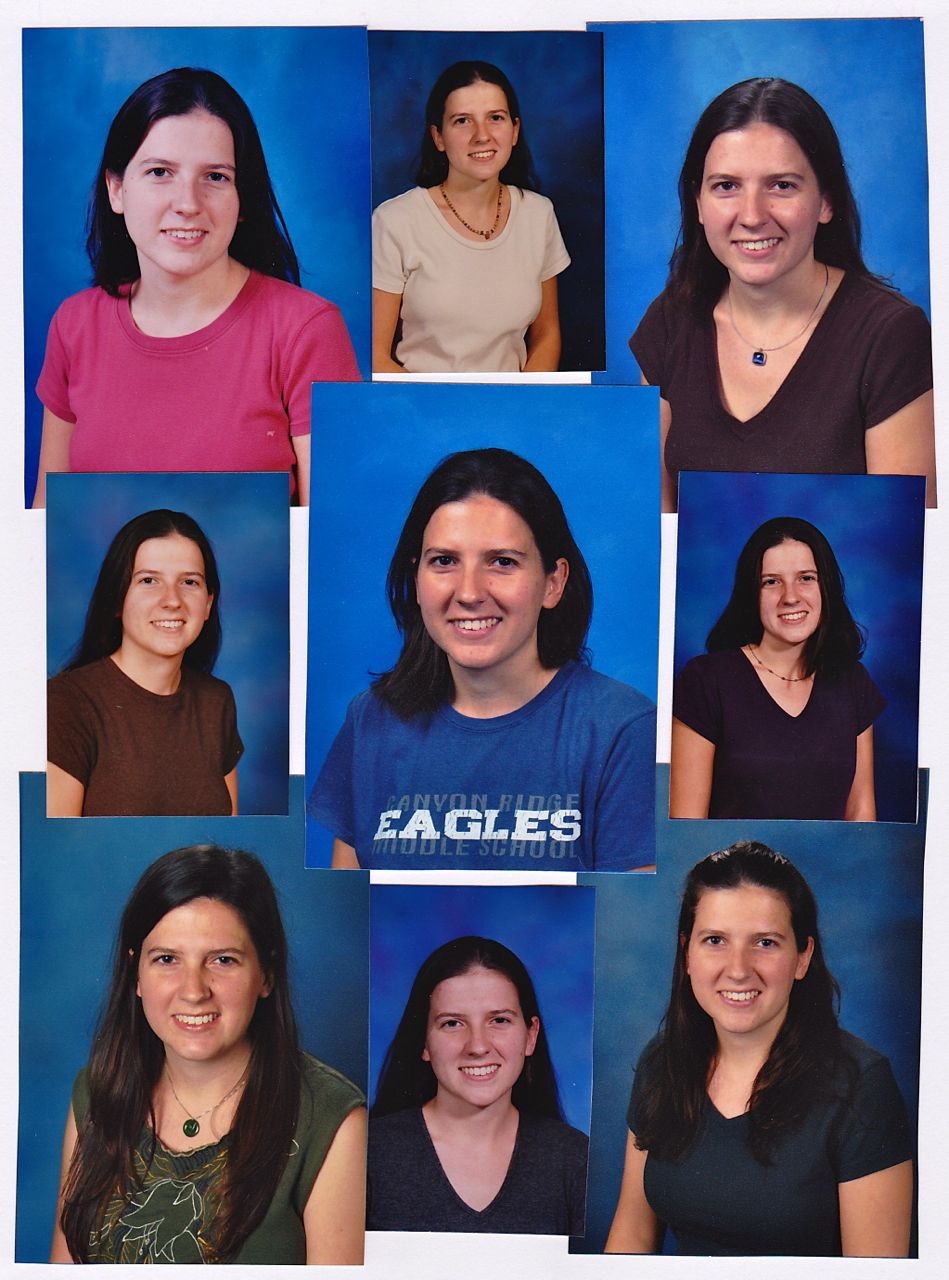
In these days of phone pics and selfies and constant photo documentation, there’s nothing quite so old school as sitting on a stool in front of a blue backdrop and having your picture taken for the yearbook. Back straight, feet on the X, chin up, aaaaaaaaaand SMILE! As a teacher, I never knew what to do with the sheets of photos I was given each year, which is why I have a box full of them now. Still, picture day is a classic school moment and should be appreciated accordingly.
11. You Love What You Do
The best reason to get excited about Back-to-School time? Deep down you love what you do. Yes, you wish the summer were longer; yes, you deserve a much higher salary; yes, there will be days when you will have to force yourself to get out of bed and go back to that classroom. But you’ll do it, and most of the time, you’ll like it. Being a teacher is not just what you do, it’s who you are. It’s who I used to be too and honestly, all those Back-to-School commercials just make me wistful for seating charts and first day packets and decorating the covers of writer’s notebooks.
So embrace the Back-to-School time. Shop for glue sticks with gusto, come up with a wacky new way to organize your classroom, and revel in every unexpected jeans day the administration throws your way. When the first day comes, you’ll be ready. And I’ll be cheering for you.