How I Got Here: My Life With Books

Bookshelf_2

I’ve been reading a lot lately. What is “a lot”? Well, my goal was to read 50 books in 2014. As of the end of July, I’ve already finished 46. So, a LOT.

Part of the reason for the recent spike in numbers is the discovery of two new forms of reading: audio books and the Kindle app on my phone. Since January, I’ve listened to audio books almost exclusively in the car. I’m not very up-to-date on the news of the world, and I’ve probably missed out on at least a half a dozen new pop songs, but I’ve “read” fourteen novels while sitting in traffic or running errands, and I think I’m a better person for it. Without audio books, my current total for the year so far would be 32, just about on par with my goal. But with them, I’m looking at a possibility of 80 or more books this year, which is pretty cool.

I live in a household with no e-readers or iPads (shocking, I know) but this year I discovered the Kindle app on my phone and put it to use. It’s still not my preferred format—I’ve only read four books this way so far—but I do find it useful for reading in bed. My husband can’t sleep if I leave the lamp on, but the dim glow of my phone’s screen doesn’t bother him, so I can read long after he zonks out. Unless the book makes me laugh out loud like Graeme Simsions’ The Rosie Project did. Then I’m busted and have to turn off the phone. (To read Lauren Henderson’s review of The Rosie Projectclick here. I agree with her completely.)

All this reading has made me look back on my life as a reader with Wonder Years-colored glasses.

Bookmarks

I don’t remember exactly when I learned to read, and I can’t clearly conjure up the process, but I have vague memories of not being able to read at all—staring at the words on the page of my dad’s newspaper or my mom’s novel and wondering what they said, or holding up a book and pretending to read it, making up the story as I went. I also remember, later, practicing my reading with the Sunday comics, things like Garfield that had few words and familiar themes.

That’s about as far as the memory goes. I couldn’t read, and then I could. I don’t recall much about the steps in between.

But once in a while I get a glimpse of that blurry phase in the middle. Due to fatigue or distraction, I misread something, and all of a sudden I remember that struggle, how exhausting it could be trying to decipher the BIG words on the page. Today it was the word “mythmaking” in an article in Writer’s Digest. My mind wanted to divide it after the y instead of the h and, for just a second, I was thinking, “My-what? My-thmaking?” Of course, it only took a moment for me to realize my error and move on.

That time.

A few months back, though, I was reading Raiders! The Story of the Greatest Fan Film Ever Made aloud to my husband in the car. The author described a house called “Manyoaks.” About the fourth time that I said, “Man-yokes,” Mark stopped me. “What are you saying?” he asked. That’s when I realized my mistake. The house was named “Many-oaks” not “Man-yoaks.” We laughed for miles.

Once I learned to read, I was a good reader but not a voracious one. I watched a lot of TV and played a lot of video games and spent a lot of time in my backyard. Although I loved buying books from the Scholastic catalogues, I didn’t always read them. I wouldn’t call myself a hyperactive kid, but I don’t remember having the patience to sit down and read a book long enough to get into it. My mom likes to talk about how hard it was to get me to do my weekly assignments out of the “home readers” we were given. She says I was very critical of them, always asking, “Well, why did they say it that way? Why did they write it like that?” I guess I was born an editor.

I did enjoy being read to though—Mom read me the Bunnicula books and Dad read Hank the Cowdog­—and in the sixth grade when we read Bridge to Terabithia as a class, I learned how much fun it could be to study a book as a group. That love followed me though middle and high school where I enjoyed analyzing the novels and dissecting them, but still often did not actually finish them, if left to read them on my own.

It wasn’t until college when I started truly reading for pleasure. I bought books and stayed up late reading them. I wrote in the margins and swapped titles with friends. I started a journal where I listed all the books I read and discovered the value of never going anywhere without something to read.

For years, I’ve craved the “home of overflowing books,” that image that’s such a staple in books and movies about teachers and writers and scholars. In these scenes, there are always floor to ceiling bookshelves lining the walls and someone is always having to move a stack of books off a chair for someone else to sit down. There are books tucked everywhere in the room and at least two or three are always lying open. I love these rooms, these scenes. I want to be these characters.

Only recently have I realized how close I’ve come to achieving that dream.

Stacks of books around my house

I do live in a house of books, and I read them, and I love them, and if you want me to, I’ll talk to you about them all day long. However, thanks to the public library and audio books and my Kindle app, there’s still room for you to sit down when you come over. I’m more likely to have to move a cat off a chair than a pile of books.

In interviews, most writers say they were bookworms as children. The phrase “read everything I could get my hands on” comes up a lot, as does the description of books as their “closest friends.” In a way, I’ve been envious of those childhoods, slightly embarrassed at all the required reading I left unfinished, all the coming-of-age titles that I didn’t read until I was already of age. But I’ve come to embrace my own history with books. It may have taken me longer than some to discover the beauty of reading, but I’m here now and I’m happy. I don’t think it matters how I arrived.


Carie’s Lists: 11 Reasons for Teachers to Get Excited About Back-to-School

BackToSchool

It’s that time of year again. Commercial breaks are filled with bright-colored backpacks and smiling children and actors portraying calm, confident teachers with not a hair out of place. Department stores put up giant signs shaped like pencils and everywhere you look, it’s SALE SALE SALE! It’s Back-to-School time.

But, the thing is, it’s NOT actually time to go back to school yet. It’s still a few weeks away, a few precious weeks for those educators who need every second of their well-deserved breaks. I see posts from teacher friends on Facebook, and I remember what it was like to have my summer cut short by insensitive advertising and early reminders.

Teacher 1– “Stop with all the Back-to-School stuff! It’s not even August yet!”

Teacher 2– “I can’t turn on the TV or leave the house without being reminded that summer is almost over. If you need me, I’ll be sitting at home in the dark eating chocolate.”

Teacher 3– “If I hear one more person say, ‘School is almost here!’ I’m going to snap.”

Poor teachers.

Hiding in your house eating chocolate will only save you for so long. Eventually, you have to accept that it is almost Back-to-School time. Since it’s unavoidable, you might as well get excited about it. Here are some things to look forward to.

11 Reasons for Teachers to Get Excited About Back-to-School

Supplies

1. School Supplies

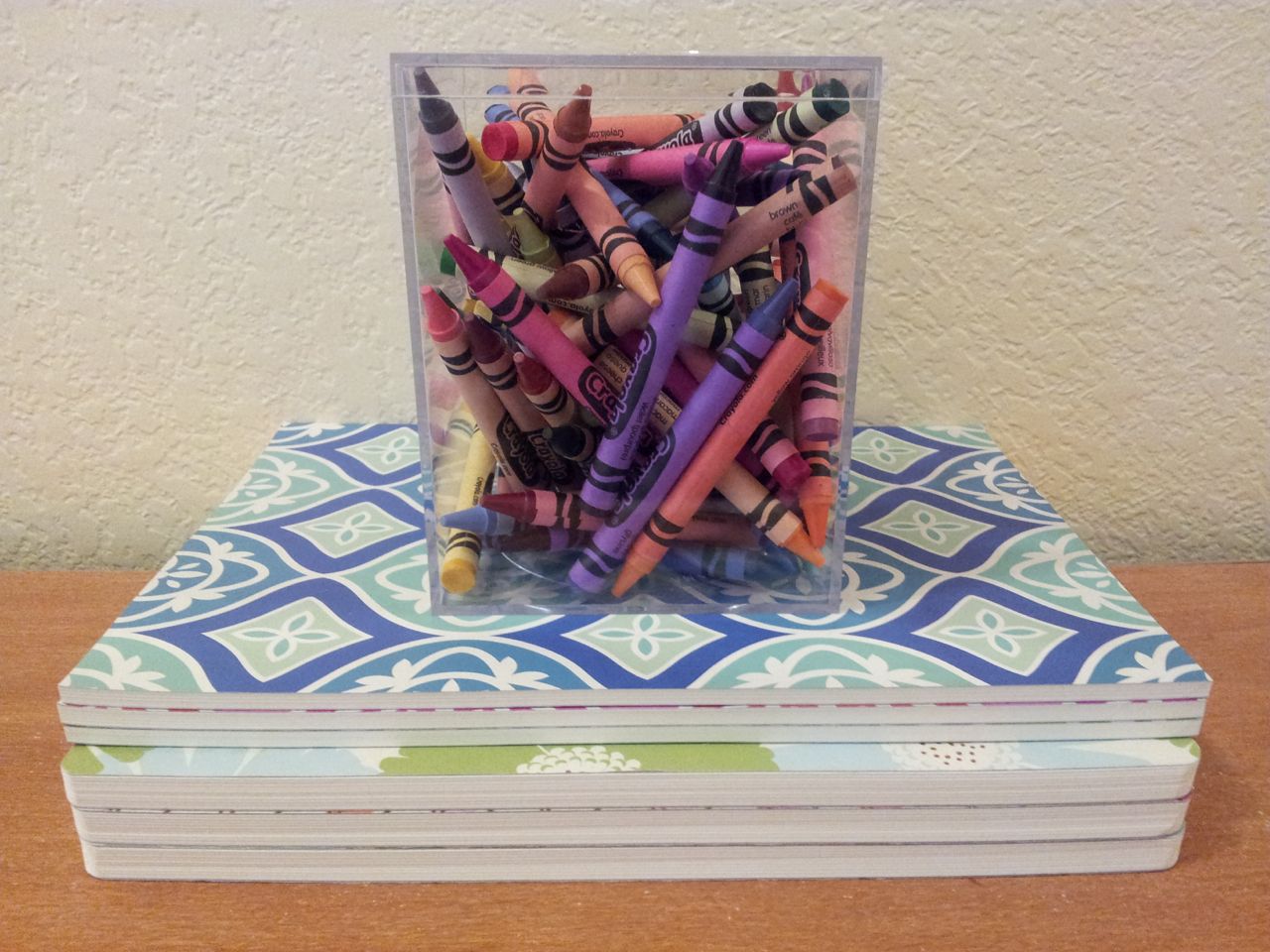
While the commercials for school supplies may be unsettling, the actual shopping for school supplies is kind of awesome. It was one of my favorite things about being a teacher. When asked why they teach, other people tend to cite things like: an affection for children, a desire to make the world a better place, and an interest in their subject matter. I quickly realized that “the smell of fresh composition books and a love of sharpening pencils” was not an appropriate answer.

2. Free AC

August in Texas means 100-degree temperatures, and 100-degree temperatures mean high electricity bills. Instead of paying for your comfort out of your own pocket, set your home AC to 80 and bask in the freezing cold temperatures of your classroom instead.

3. Get Away From Your Kids

I’m not a parent myself, but I assume that, no matter how much you love your offspring, two months straight with them is too much. I think I’m right, because there’s a lot less complaining about Back-to-School stuff from my teacher friends who have children. Look forward to those hours of kid-free inservice meetings and staff development seminars. Think of it as “me time.”

4. Once Again Be Among the Day People

If you don’t have kids, there’s a good chance you’ve become somewhat vampire-like as the summer weeks have passed. Going back to school is your chance to blink into the sunlight, see what’s changed in the world, be among the day people again. (That first morning, though, might be a little rough.)

5. Annual Strangest Name Competition

Yes, those last few inservice days before school starts can be stressful, but then there’s the moment when you get your class rosters and everything stops while you scan the lists and compare names. I always enjoyed looking for siblings of kids I’d taught and any celebrity impersonators. (I’ve taught Will Smith and Rachel Green.) But the most fun is competing with fellow teachers for the most unusual student names. Unfortunately, I can’t claim to be the winner here. A friend of mine once taught twin girls who both had the exact same name. True story.

Possibilities

6. Endless Possibilities

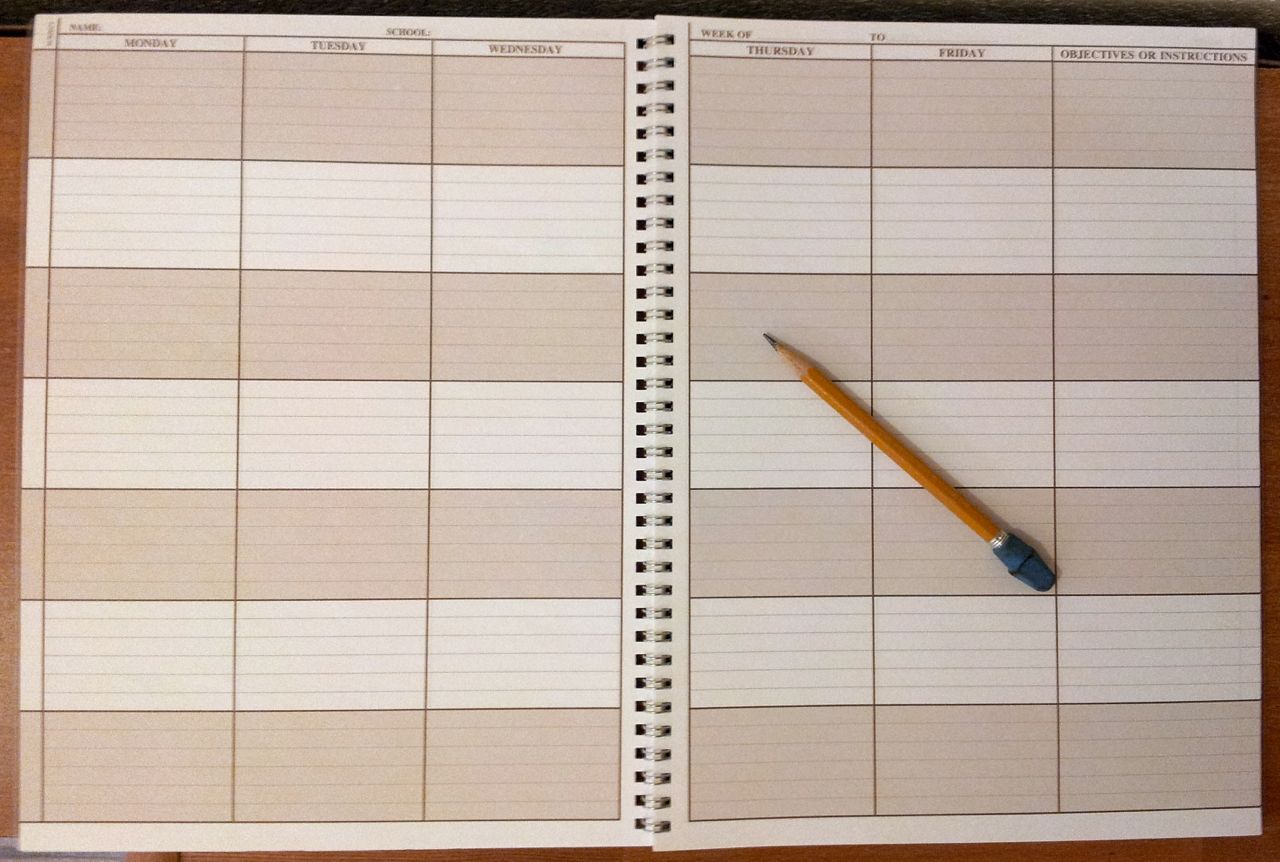
You have a brand new, unopened planner. The dry erase boards are clean. No one has been late to your class yet or forgotten to turn in an assignment. Maybe this year you won’t get behind. Maybe this year you’ll finally figure out how to grade everything and still have a life. Maybe this year there will be no ill-timed fire drills, few parent conferences, and free donuts every single Friday. Maybe, just maybe. Until it begins, the possibilities are endless.

7. The Old “Naked at School” Dream

With the start of school, you can also look forward to the school-related nightmares. Maybe the “I’m changing clothes in my classroom and I forgot to lock the door” classic or the “How have I taught all day without realizing I forgot my pants?” variation. Or perhaps you prefer the “I’m back in high school and can’t find the classroom for my final” or the “I just realized I never actually graduated college” options. It doesn’t matter what you choose—they’re all good. Just remember, the best part is waking up.

8. First Day of School

I always loved the first day of school. First days are full of excitement and enthusiasm and usually at least one poor lost soul whose day you get to brighten just by knowing where room 1132 is. It may be hard to look forward to the 100th day of school or the 43rd or even sometimes the 2nd, but you should always look forward to the first. Read about some of my favorite first day traditions here.

9. Fresh Start

Part of the beauty of the first day is the fact that it exists at all. Teaching is one of the few jobs I know that has a clear beginning and a clear ending and a little (sometimes not enough) breathing room in between. The fact that you get that fresh start is a blessing. No matter how hard the year is, no matter how difficult the students (or the parents) are, no matter how far behind you get in your curriculum, the last day of school will eventually come, and two months later you’ll get the chance to start all over again. Be grateful for that.

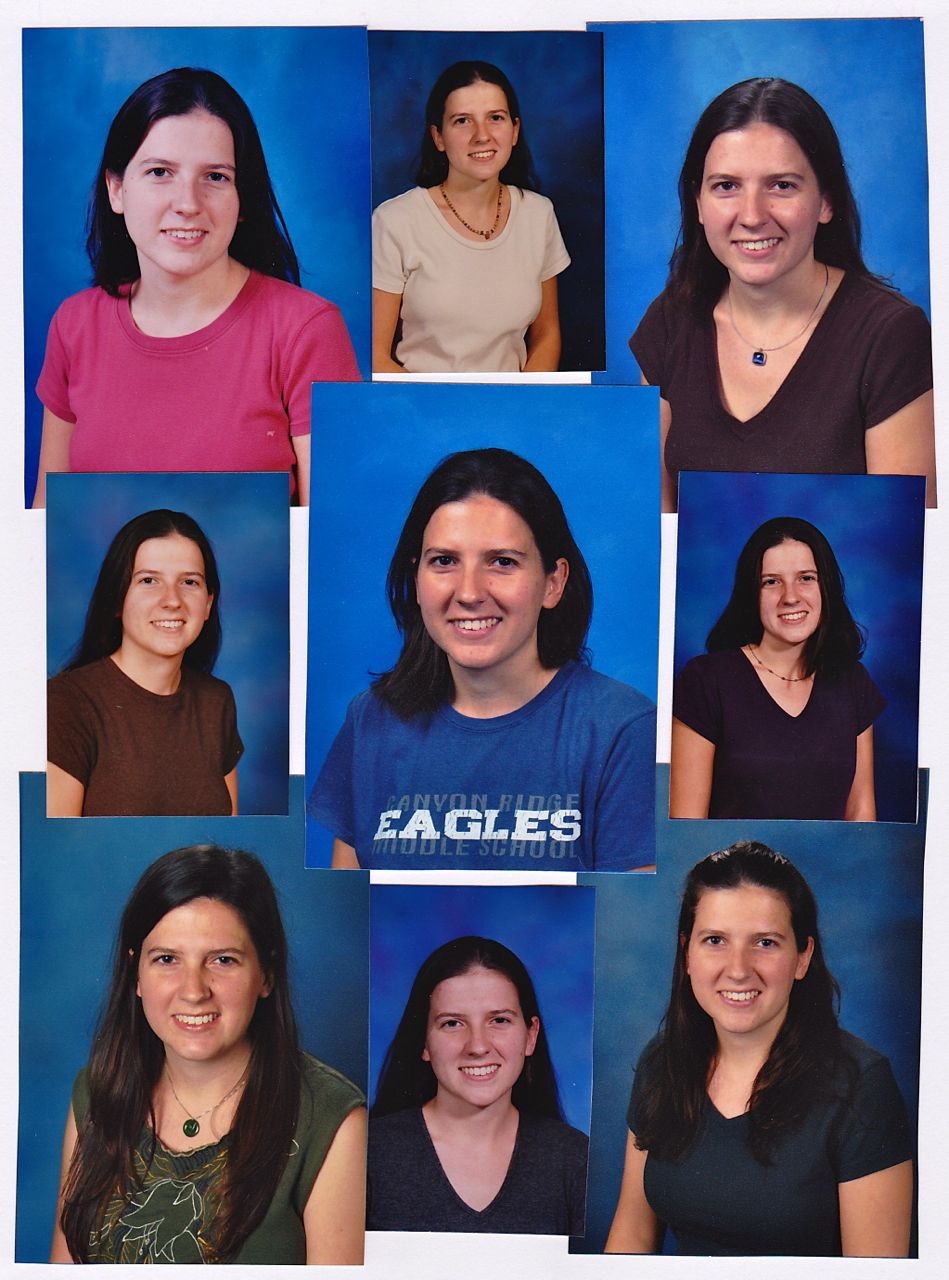
The Many Faces of Ms. Kinder/Juettner - The middle left photo has got to be my first year of teaching because I look 12.
The Many Faces of Ms. Kinder/Juettner, a.k.a A Collage of Bad Hair Days: Here are 9 of my 13 faculty yearbook pics. (The other 4 are MIA.) The middle left photo must be my first year of teaching because I think I look 12.

10. School Pictures

In these days of phone pics and selfies and constant photo documentation, there’s nothing quite so old school as sitting on a stool in front of a blue backdrop and having your picture taken for the yearbook. Back straight, feet on the X, chin up, aaaaaaaaaand SMILE! As a teacher, I never knew what to do with the sheets of photos I was given each year, which is why I have a box full of them now. Still, picture day is a classic school moment and should be appreciated accordingly.

11. You Love What You Do

The best reason to get excited about Back-to-School time? Deep down you love what you do. Yes, you wish the summer were longer; yes, you deserve a much higher salary; yes, there will be days when you will have to force yourself to get out of bed and go back to that classroom. But you’ll do it, and most of the time, you’ll like it. Being a teacher is not just what you do, it’s who you are. It’s who I used to be too and honestly, all those Back-to-School commercials just make me wistful for seating charts and first day packets and decorating the covers of writer’s notebooks.

So embrace the Back-to-School time. Shop for glue sticks with gusto, come up with a wacky new way to organize your classroom, and revel in every unexpected jeans day the administration throws your way. When the first day comes, you’ll be ready. And I’ll be cheering for you.

Review: Writing Irresistible Kidlit: The Ultimate Guide to Crafting Fiction for Young Adult and Middle Grade Readers

Writing Irresistible Kidlit: The Ultimate Guide to Crafting Fiction for Young Adult and Middle Grade Readers
Writing Irrisistible Kidlit: The Ultimate Guide to Crafting Fiction for Young Adult and Middle Grade Readers by Mary Kole

If you’ve been within ten feet of me over the past two weeks, then you’ve most likely heard me talk about Writing Irresistible Kidlit. I’m pretty stingy with my five-star ratings, but I cannot say enough good things about this book.

In order to keep myself from rambling, here is what I loved about Mary Kole’s writing guide in bullet form:

Straightforward, To-the-Point Advice: I love reading books about writing. I’ve read many of the classics like On WritingWriting Down the Bones, and Bird By Bird and enjoyed them all. But most books about writing craft are at least part memoir. The author’s advice is mixed in with the author’s story. Kidlit isn’t like that. Mary Kole doesn’t take the reader on a journey through her life with books or go on tangents about the beauty of writing and our connected passion as lovers of the written word. She stays focused on the task at hand, and that task is to make the reader a better, more successful writer. She does not sugar coat or soliloquize, and I appreciate that.

Enjoyable, Easy to Read: Saying that the book is straightforward does not mean that it is dry. The format is logical, and the language and style make it easy to read. Kole is also funny. She’s obviously a fan of puns and peppers the book with them. It’s like she can’t help herself. It cracked me up.

Great Examples & Quotes: In every section of the book, Kole provides specific examples from literature to back up her points and show authors at their best. The quotes come from over forty different middle grade and young adult novels, most of which were published in 2008 or after. I’ve added SEVERAL titles from her recommended reading list to my to-read page.

Recent & Relevant: You know that moment when you’re reading a book on writing craft and feeling so inspired and then the author says something like, “Whether you’re writing longhand or using a typewriter…”? That won’t happen when you read this book. At least not for another ten years or so. Kidlit was published in 2012, and Mary Kole is a current lit agent who is (as of July 30, 2014) actively seeking MG and YA manuscripts. The advice she gives is extremely relevant, and there is absolutely no mention of typewriters.

What, When, Where, Why, and How: This book covers every aspect of writing a good novel, from diagramming your plot to creating a good hook to finding the theme of your work to understanding your reader’s mindset to crafting your query letter. (And a lot more.) And Kole does not just tell us what to do, she also provides a plethora of exercises along the way to help us understand how to do it. Seriously, there is so much useful stuff here. I just flipped through my copy and it’s difficult to find a page where I haven’t highlighted at least one thing.

If the above points aren’t enough to sell you on this book, then try this: The best thing about Writing Irresistible Kidlit is that it not only made me want to write, it made me want to rewrite and revise and outline and start over and keep working until I get it right. And really, isn’t that what a writing book should do?

If you are an author or an aspiring author of stories for children, go get this book. You won’t be disappointed.