
If you’ve been following my blog or newsletter, you know that I recently started volunteering with a local wildlife organization. This is a post I made on Facebook this week, sharing some of the important information I’ve learned about what to do and not do when it comes to interacting with animals. I’m reposting it here in hopes that it will reach more readers so that we can all be better neighbors with the critters around our homes.

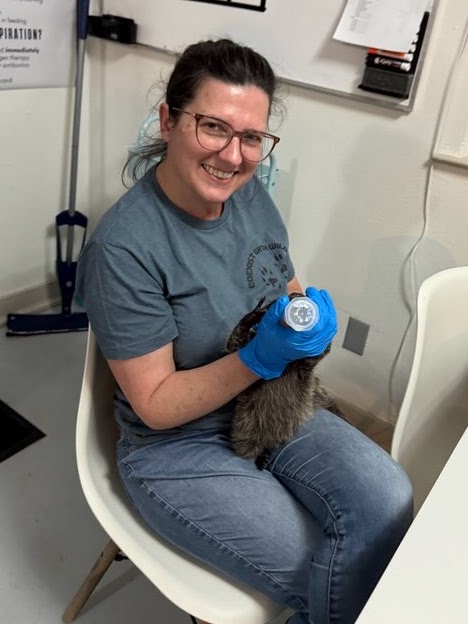
Last Friday, I finally got to do something I’ve been excited about for months. I got to bottle feed a baby raccoon. He was about eight weeks old and so cute and wiggly. Watching his little raccoon hands grip the bottle melted my heart. I’d been looking forward to this experience ever since I started volunteering with wildlife and was so happy to get to do it.
However, the reason why I got to feed this little kit, and the reason why I’ll get to feed many more over the next few months is not a good one. This baby is an orphan, motherless and isolated from his litter. I don’t know his particular story, but it likely involves cars, traps, poisons, or other negative human interactions.
I’ve only been volunteering with North Texas Wildlife Center for a few months, but I’ve already learned so much about how to care for animals, including what NOT to do, and my eyes have been opened to mistakes I’ve made in the past when it came to animal encounters. But I try not to judge my past self. NTXWC’s motto is “When we know better, we can do better.” I know better now, and I want to do better by sharing that knowledge with others.
Here are a few tips I’ve learned about what NOT to do:
- If you find a sick or injured animal, don’t try to care for it yourself. Despite the best of intentions, you could do more harm than good. Instead, contact a local wildlife rehabber.
- Don’t use rodentcide. Many of the sick foxes, owls, and other predators we get at the center are suffering from secondary poisoning due to eating a poisoned rat or mouse.
- It is so tempting to put out food for cute wildlife, especially if you have a trail cam. (I have done this.) One of the big problems with this is that it can spread contagious diseases, like distemper which is really bad right now in raccoons. The problem with the food is that it attracts multiple animals together to one place who wouldn’t normally interact. It’s like have a covid party for wildlife. The idea that I could risk my beautiful Finley fox’s health by enticing her to share a food bowl with other species cured me of my feeding habits.
- Trapping and relocating wildlife is not usually a humane solution. (Past me did not know this.) First, animals left in traps for long often suffer injuries from trying to get out. Second, when you put them in an unfamiliar place, they will have trouble finding food and shelter and will be vulnerable. Third, there’s a good chance you are separating a mama from her litter and have just orphaned her babies.
- Unfortunately, many pest control companies who claim to be humane don’t really have the animals’ best interest at heart. NTXWC recently got a litter of 5 tiny baby raccoons whose mom was trapped and “relocated” by a pest control company. When the homeowner asked, “What if she has babies?” they told her raccoons don’t have babies this time of year. WRONG. The babies were found later after their mom had been taken away. Whether the company was lying or just not knowledgeable, either way it meant a litter of orphans.
So, what SHOULD we do instead?
– Enjoy and respect wildlife but try not to interfere.
– Hire responsible tree-trimming and pest control companies.
– If you find a sick, injured, or orphaned animal, contact a wildlife rehabber.
– Help NTXWC take care of animals by making a donation or buying some adorable swag from their shop or volunteering your time.
If you have any questions, please ask me and I’ll find someone smart who can answer them for you.
Helpful Links:
- DFW Wildlife – Their hotline (972-234-9453) is available every single day from 7AM-10PM. If you find a sick or injured animal, they can connect you to with a nearby rehabber.
- North Texas Wildlife Center – Learn more about the organization where I volunteer and make a donation.
- NTXWC Swag Shop – Get a cute wildlife t-shirt, hoodie, tote bag, etc. Part of the proceeds go to the organization.
- 911 Wildlife – This pest control company will help you keep animals out of your home without harming them. They are truly humane and work closely with NTXWC.
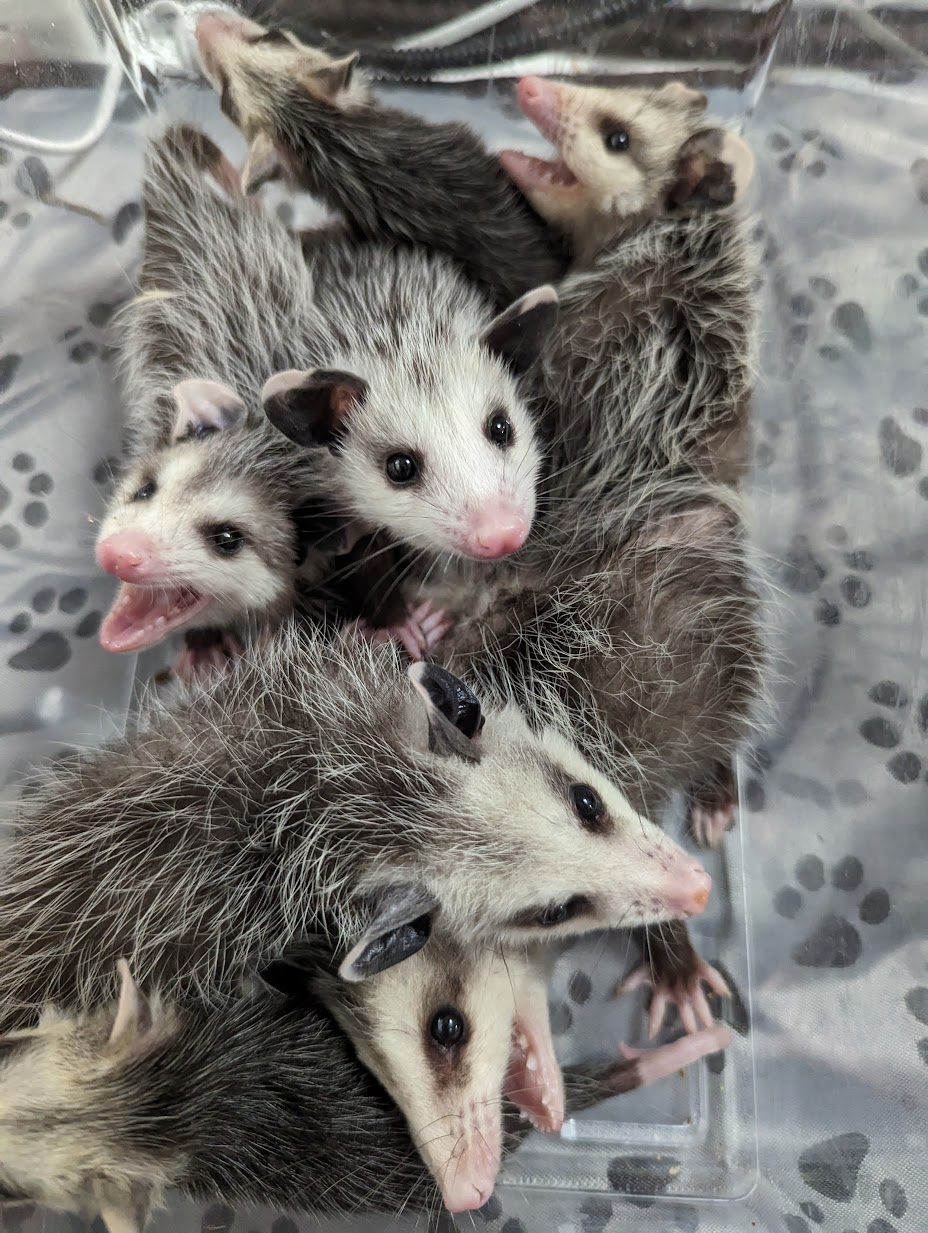
Thank you so much for reading this! In exchange for your time, I offer you a picture of a box of adorable hissing baby opossums.
Stay tuned for my next post, which will cover the less serious and more playful side of wildlife, including some cute videos of the critters in my yard. 🥰
Discover more from Carie Juettner
Subscribe to get the latest posts sent to your email.
 Carie Juettner
How 🙂 beautiful